
Introduction
The case surrounding Prosecutors seek death penalty for Charlie has shaken legal circles and captured worldwide attention. With new developments unfolding rapidly, the justice system now faces one of its most intense trials in recent memory. This blog explores why prosecutors are pushing for the maximum punishment, the shocking details revealed in court, and the broader implications. The primary keyword, Prosecutors seek death penalty for Charlie, will guide our in-depth, SEO-optimized analysis.
Background of Charlie’s Case
The case began with a chilling crime that quickly escalated into a nationwide debate. Prosecutors revealed evidence linking Charlie to a high-profile incident that left communities reeling. The prosecution’s stance has been unyielding: nothing short of the death penalty would represent justice.

Why Prosecutors Seek Death Penalty for Charlie
The decision wasn’t taken lightly. Prosecutors cited multiple aggravating factors:
- The brutality of the act.
- The emotional trauma inflicted on victims’ families.
- The precedent-setting nature of the crime.
Their demand underscores how severe and deliberate the actions were, positioning the case as a landmark in modern legal battles.
The Emotional Toll on Victims’ Families
The victims’ families have spoken openly about their suffering. Many feel that only the death penalty would bring closure. Emotional testimonies have swayed public opinion, adding to the momentum behind the prosecution’s stance.
Defense Arguments in Charlie’s Case
On the other side, Charlie’s defense team argues for leniency. They highlight:
- Alleged gaps in evidence.
- Charlie’s mental health struggles.
- Possibility of rehabilitation.
Despite their efforts, the prosecution’s powerful narrative continues to dominate courtroom proceedings.
Public Reaction and Media Coverage
News outlets across the globe are covering the case. Headlines like “Prosecutors seek death penalty for Charlie” dominate trending sections. Social media is divided, with hashtags supporting both justice and mercy. This widespread coverage ensures the case remains firmly in the public eye.
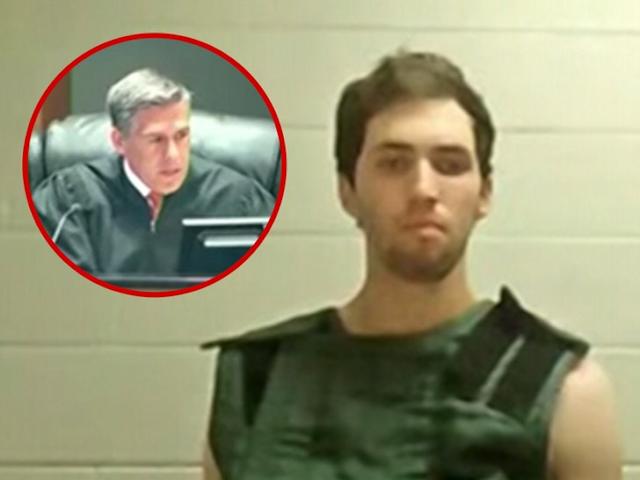
Comparing Similar Death Penalty Cases
This case mirrors past high-profile trials where prosecutors pursued capital punishment. Examples include:
- Serial offenders in the U.S.
- International terrorism trials.
- Cases involving extreme violence.
By drawing comparisons, legal experts argue this case may set a precedent for future death penalty prosecutions.
The Legal and Ethical Debate
The death penalty itself remains controversial. Opponents stress human rights, while supporters argue justice demands proportional punishment. In Charlie’s case, this debate has resurfaced stronger than ever, polarizing lawmakers, activists, and citizens alike.
Political Implications
Politicians are weighing in, seeing the case as an opportunity to reinforce or challenge their stance on capital punishment. Some argue it proves the justice system’s strength, while others say it exposes flaws. The phrase “Prosecutors seek death penalty for Charlie” has thus extended beyond the courtroom into the political arena.
What Happens Next in the Trial?
The trial is far from over. Key steps ahead include:
- Final witness testimonies.
- Jury deliberations on sentencing.
- Possible appeals from the defense.
Legal analysts suggest the outcome will have long-lasting effects on how similar cases are handled.

FAQs on Prosecutors Seeking Death Penalty for Charlie
Q1. Why do prosecutors seek death penalty for Charlie?
Prosecutors believe the crime’s severity warrants the maximum punishment under law.
Q2. What are the defense’s main arguments in Charlie’s case?
The defense cites mental health struggles, lack of sufficient evidence, and rehabilitation potential.
Q3. How does this case compare to other death penalty trials?
It shares similarities with past cases involving extreme violence and aggravated circumstances.
Q4. What impact does public opinion have on the trial?
While public opinion doesn’t directly influence sentencing, widespread coverage pressures courts to handle the case transparently.
Q5. Could Charlie’s case change future legal precedents?
Yes, legal experts believe it may shape how prosecutors pursue capital punishment in complex trials.
Links
- Internal Link (mandatory): Latest Legal Updates on usaresult.com
- Suggested Internal Links:
- Criminal law and death penalty debates.
- Famous courtroom trials in history.
- High-profile cases shaping justice systems.
- Outbound Authority Link: American Bar Association on Death Penalty
Conclusion
The case of Prosecutors seek death penalty for Charlie is more than a trial—it’s a reflection of society’s stance on justice, punishment, and morality. With emotions running high, the verdict will leave an undeniable mark on legal history.
Call to Action: Stay informed with detailed coverage and expert analysis—visit usaresult.com for continuous updates on this and other landmark trials.